


Most people think validating a startup idea means building something or running ads.
That is backwards.
Spending money is the final validation step, not the first.
Long before code, contractors, or campaigns, there is a large amount of signal you can extract if you understand how businesses actually work.
This article walks through a disciplined thought process for evaluating whether a business idea is worth pursuing.
The goal is not to hype yourself up.
The goal is to find out if the idea is dead on arrival while the cost of being wrong is close to zero.
Before touching the idea itself, you need to decide what game you are playing.

Sponsor Highlight: EuphoriaTech Academy ✨
Hands-on programs for leaders navigating AI, growth, and innovation.
Clear frameworks. Actionable playbooks. Real results.

Key Takeaways
Validate ambition before ideas
Clarity on whether you are building a side business or a venture scale company determines every validation decision that follows.Problem pain beats clever solutions
Strong demand comes from urgent, recurring problems. Mild annoyances rarely convert into sustainable businesses.Market size and timing can override execution
Even great teams struggle in small or premature markets. Directional tailwinds matter more than perfection.Specific customers learn faster than broad audiences
Narrow focus improves messaging, lowers acquisition costs, and produces clearer validation signals.Signals before software
Real validation comes from observed behavior, not opinions. Test intent before building anything expensive.
Table of Contents
Step 1: Define the Problem With Precision
Step 2: Judge Problem Severity and Frequency
Step 3: Design the Smallest Viable Solution
Step 4: Study the Competitive Landscape Early
Step 5: Identify Your Structural Advantage
Step 6: Reality Check the Market Size
Step 7: Evaluate Industry Direction and Timing
Step 8: Account for Market Education Costs
Step 9: Define a Narrow First Customer
Step 10: Sanity Check Unit Economics Early
Step 11: Validate Intent Before Building
Final Thought: Treat Validation Like Risk Reduction
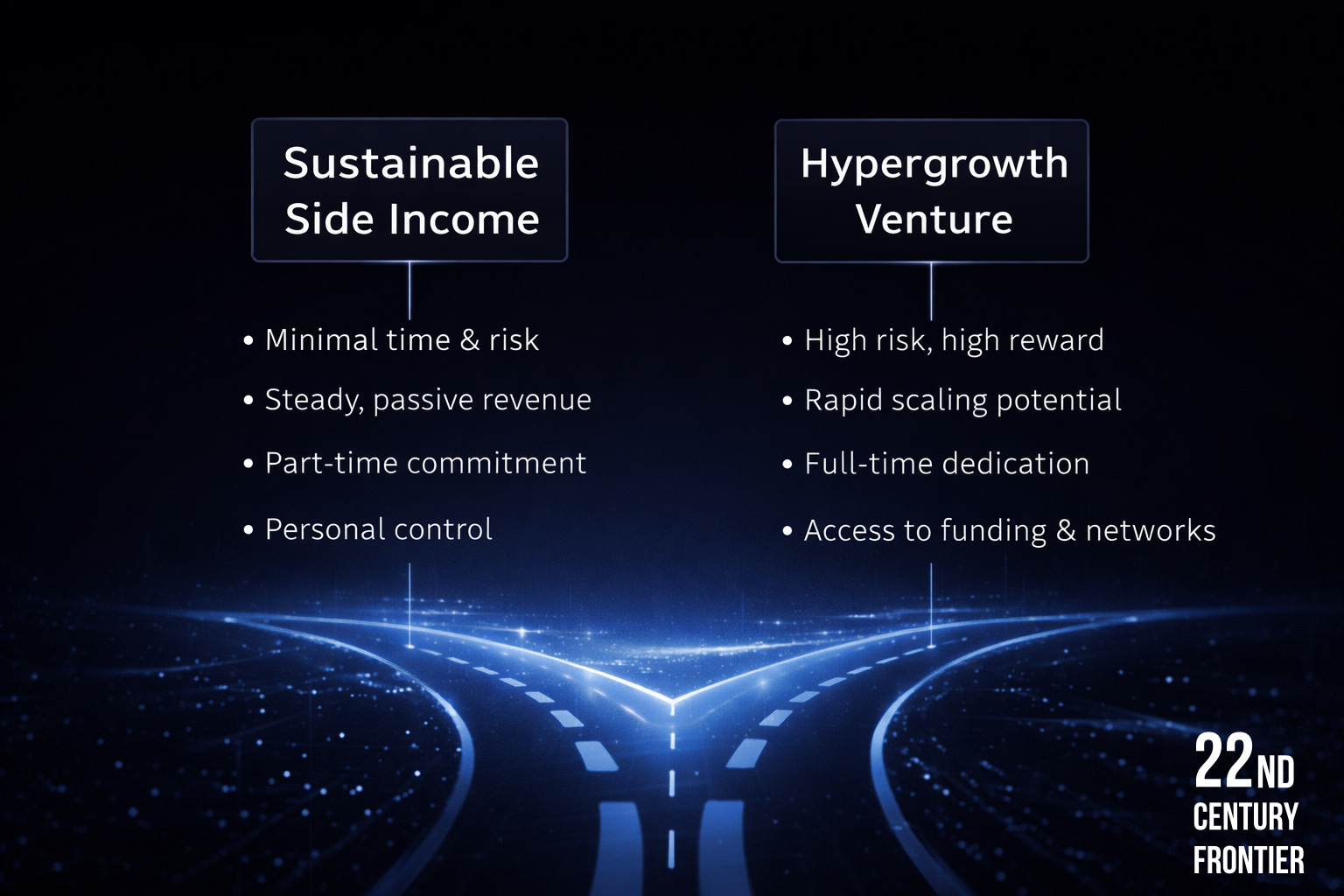
Step 1: Set Your Ambition Before You Judge the Idea
Not every business should be judged by the same criteria.
A solo project that generates a few thousand dollars a month with little maintenance can be an excellent outcome.
A venture backed company chasing a hundred million dollar exit is a completely different animal.
Both are valid.
Confusing the two is where founders get stuck.
If you want a side project, you can survive with a small market, slower growth, and modest differentiation.
If you want a venture scale outcome, the bar is not just higher. The constraints are entirely different. Market size, speed, defensibility, and timing suddenly matter far more than elegance or cleverness.
Be honest with yourself. Your ambition determines how harsh your filters need to be.
Step 2: Define the Problem With Surgical Precision
Every idea starts with a problem, but vague problems produce weak businesses.
You need to describe the problem so clearly that someone outside your industry immediately understands it.
Ask:
Who experiences this problem?
In what situation does it occur?
What do people do today instead?
Why is the current solution frustrating, expensive, or inefficient?
Then assess pain.
Some problems cause mild irritation. Others cause real stress, risk, or lost money.
People tolerate irritation. They pay to eliminate pain.
Also ask whether the problem repeats.
A problem that shows up every week creates habit and retention. A problem that appears once every few years must be extremely profitable per transaction.
For example, tax filing software benefits from annual recurrence. Event planning services do not.
If customers do not actively care today, consider killing the idea unless you have strong conviction that the market is about to change.
Being early is only useful if the world eventually catches up.
Step 3: Design the Smallest Effective Solution
Your first solution should not be impressive.
It should be sufficient.
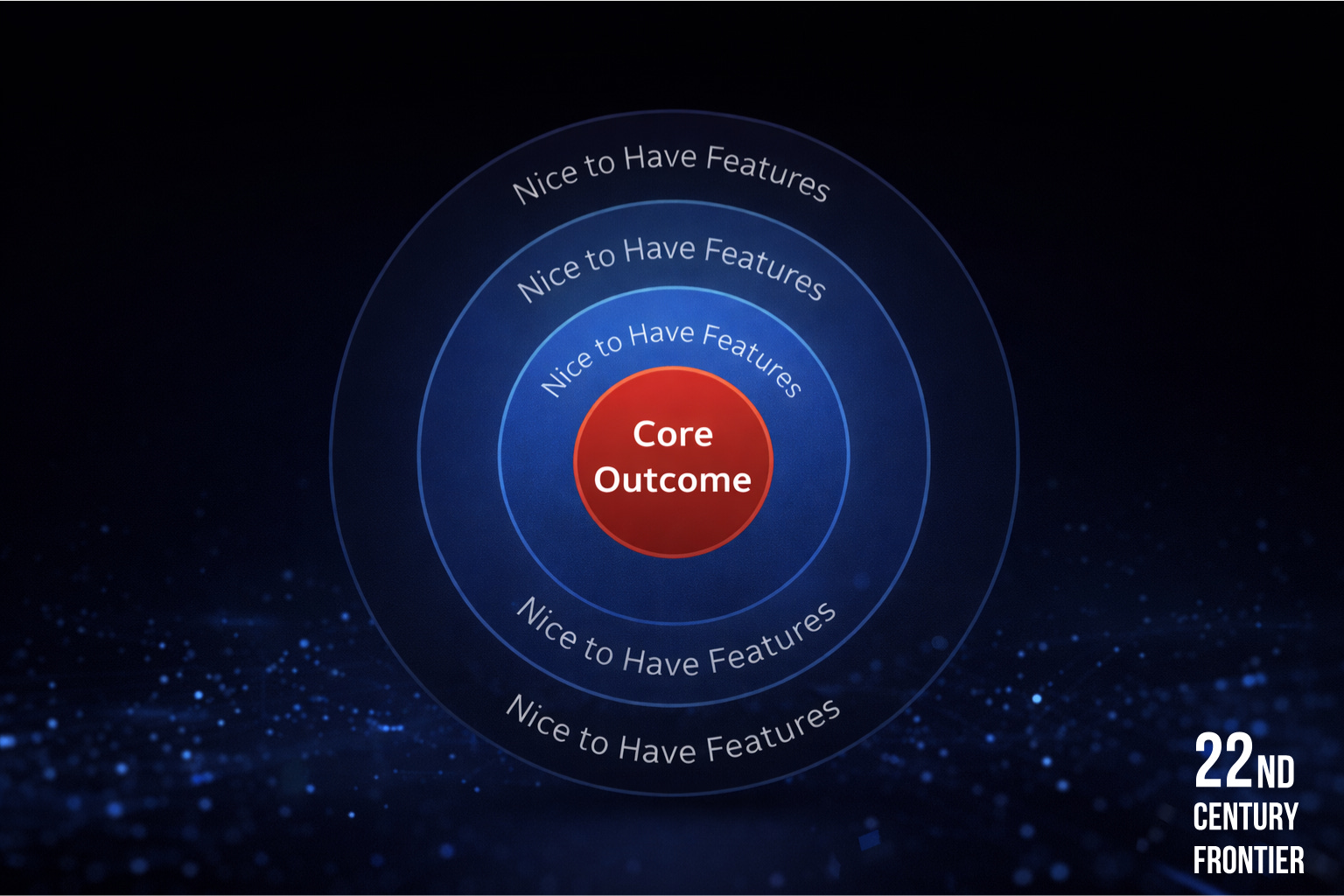
The objective is to remove the core pain with the least amount of complexity possible.
If your idea requires heavy infrastructure, custom hardware, complex logistics, or large upfront investment just to test demand, you are choosing an expensive way to learn.
Instead, ask:
What is the single outcome the customer wants?
What is the simplest way to deliver that outcome today?
What can be manual, ugly, or temporary at the start?
Customers do not buy feature lists. They buy relief.
Your early product should feel like a crude but effective tool, not a polished platform.
Step 4: Map the Competitive Terrain in Depth
Before building anything, spend serious time understanding who already exists.
This means more than Googling competitors.
You should study:
Direct competitors solving the same problem
Indirect alternatives customers use instead
Pricing models and packaging
Target segments they focus on
Databases like Crunchbase, and Dealroom.co help you understand funding history and momentum.
Funding patterns reveal hidden signals.
Large early rounds followed by flat growth can indicate weak demand.
Modest funding with steady progress can indicate healthy economics.
Read customer reviews. Read complaints. Look at job postings to infer priorities and struggles.
Competitive research often leads to one of two outcomes.
You either discover a narrow segment that is poorly served, or you learn you should walk away early.
Both are wins.
Step 5: Identify a Structural Advantage
Strong businesses are not just better. They are harder to attack.
You should be able to explain why your business gets stronger over time while competitors struggle to keep up.
Classic examples include network effects, data accumulation, or strong brands, but most early stage companies will not have these immediately.
More accessible advantages include:
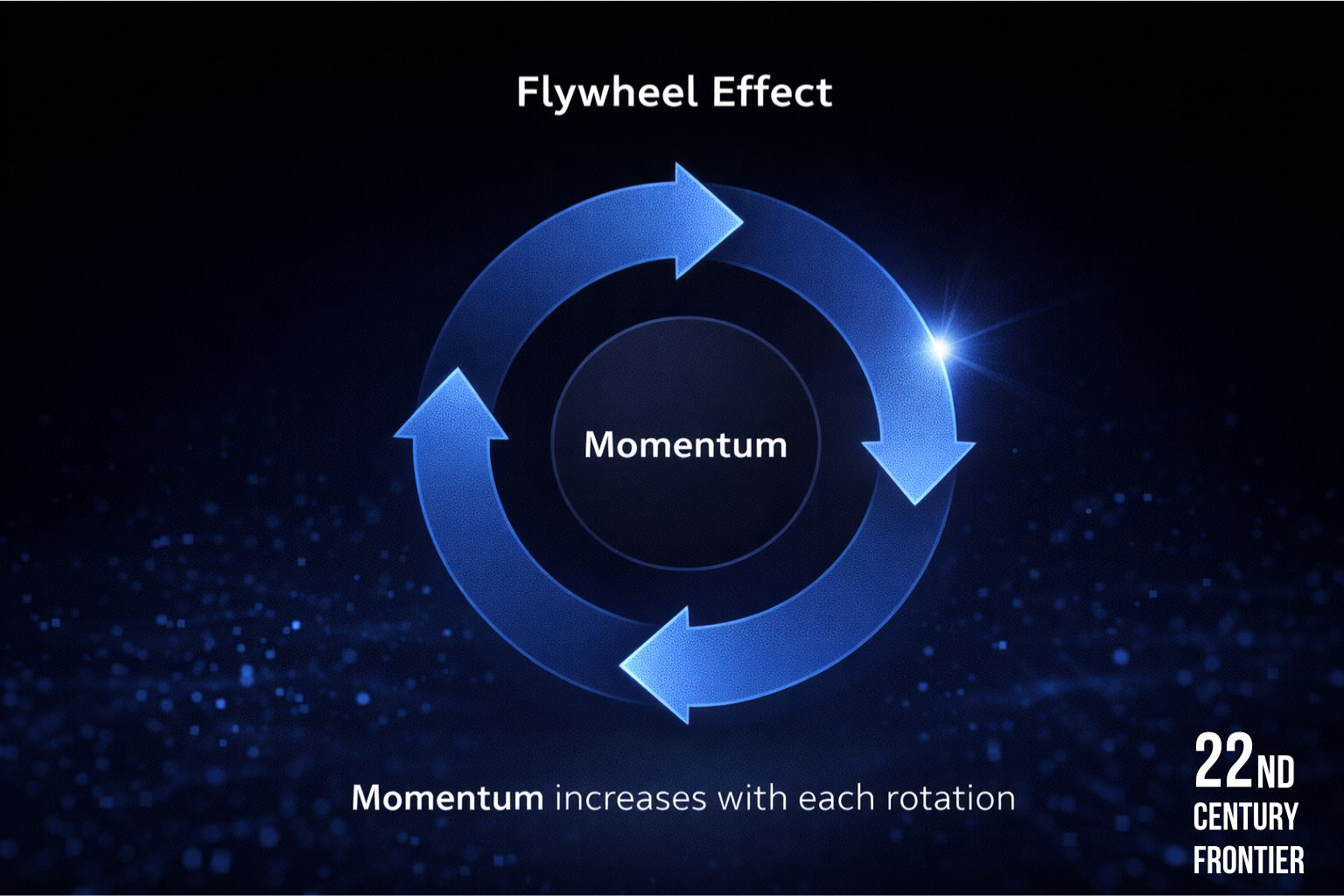
A flywheel where growth funds more growth
A radically different cost structure
Distribution embedded in an existing workflow
Timing shifts caused by new technology or regulation
For example, companies built around no code tools benefited from falling software development costs. That timing advantage mattered.
If your business has no structural edge, you are relying purely on execution. That is a tough bet.
Step 6: Pressure Test Market Size With Reality
Markets decide outcomes more than founders do.
For lifestyle businesses, a small but stable market can be perfect.
For venture scale ambitions, the market must be large enough to support multiple attempts, pivots, and competitors.
Start with top down research when available.
Firms like Statista and Euromonitor publish market estimates across industries.
Then do bottom up math.
How many realistic buyers exist?
What could they pay?
What does strong adoption actually look like?
If full market penetration still results in a mediocre outcome, reconsider your ambition or the idea itself.
Small markets can grow, but you need a believable reason for that growth.
Step 7: Evaluate Industry Direction and Timing
Markets evolve.
Ask:
What is becoming cheaper?
What is becoming easier?
What behavior is changing?
What was impossible five years ago that is trivial today?
Many successful companies looked insignificant at the start because the market was still forming.
Cloud infrastructure, remote work tools, and creator platforms all followed this pattern.
You cannot control timing, but you can acknowledge it.
Step 8: Account for Market Education Costs
Selling into an existing demand is easier than creating demand.
If customers already search for solutions, marketing is relatively straightforward.
If customers do not yet understand the problem, education becomes your largest expense.
Educating a market requires content, trust, repetition, and time.
It is slow and costly.
Subscription meal kits had to teach people to cook differently.
Early ride sharing companies had to teach people to trust strangers.
If education is required, your acquisition strategy and capital needs must reflect that reality.
Step 9: Define a Narrow First Customer
Never sell to everyone.
Your first customer group should be painfully specific.
The narrower your focus, the clearer your messaging and the faster your learning.
Large platforms almost always start with small communities.
Professional networks began within single industries.
Marketplaces often began in one city.
Specificity increases conversion and reduces noise.

Step 10: Sanity Check Unit Economics Early
You do not need perfect numbers. You need directional truth.
Estimate:
How customers find you
Rough acquisition cost
What they pay over time
Core operational costs
If the math does not work in theory, it will not work in practice.
Running basic numbers early can save months of wasted effort.
Step 11: Validate Intent Before Building
Before product, test commitment.
You can do this by:
Naming the product
Buying a domain
Creating a simple landing page
Stating the value proposition clearly
Adding a call to action
Tracking behavior
Drive small amounts of targeted traffic through communities, content, or direct outreach.
You are not chasing revenue yet.
You are chasing signal.
If people sign up, reply, or attempt to buy, you are onto something.
If they do not, you learned cheaply.
Final Thought: Treat Validation Like Risk Reduction
Validation is not about convincing yourself an idea is great.
It is about removing reasons it might fail before you invest heavily.
The strongest founders are not reckless optimists.
They are disciplined risk managers who load the odds in their favor.
Think deeply first.
Spend money last.
That is how you move fast without being careless.
WHY SUBSCRIBE | PREMIUM RESOURCES | ENTERPRISE PLAN | ADVERTISE
Great list! Validation and studying competitors are key for success.
I liked how validation here is framed as behavior, not opinions. Pre-commitments, real conversations, and willingness to pay are far more honest signals than surveys or likes.