


Reputation is one of those things people pretend they care about until a shortcut appears.
In startups and venture, the temptation is always there.
Push a bit harder in a negotiation.
Keep a little more information to yourself.
Overstate momentum.
Understate risk.
Tell yourself that the other side would do the same.
Sometimes they would.
That does not make it smart.
The reality is simple:
In small ecosystems, people remember.
In connected ecosystems, they remember quickly.
A founder who is difficult once may still raise.
An investor who behaves badly once may still close a fund.
But over time, reputation becomes the invisible ledger that determines who gets:
the best deals,
the best hires,
the best intros,
and the most honest conversations.
This is not about being soft.
It is about understanding how trust actually works.

Frontier Deal Flow 🎯
Companies struggle to reach the right investors. Investors struggle to find signal.
Frontier Deal Flow is a monthly curated database by 22nd Century Frontier, connecting high-quality companies with thousands of:
Angel investors, VC funds, corporate venture capital arms, venture syndicates, private equity firms, family offices, institutional investors, strategic corporate partners, and more.
Why submit:
• Get in front of serious investors actively looking for opportunities
• Share your raise in a clear, high-signal format
• Skip cold outreach
Submissions are completely FREE. For the March & April issue, submissions close 30 April, and the report goes live 1 May.
Key Takeaways
Reputation is an operating asset.
In startups and venture, trust changes access, speed, and deal quality.
Small actions matter more than big statements.
The way you behave in low-stakes moments becomes your real reputation.
Short-term wins often create long-term costs.
Aggressive terms, vague communication, or opportunistic behavior usually come back later.
Trust moves faster than paperwork.
People decide whether to believe you long before the legal docs matter.
Reputation compounds in connected markets.
Founders, investors, operators, and advisors remember how you treated people.
Table of Contents
1. Reputation Is Built In Small Moments
Most people think reputation is created by big achievements, awards, or press.
It is not.
Reputation is built in the small moments when no one thinks they are watching.
Do you return calls when you said you would?
Do you tell a founder the truth when the news is uncomfortable?
Do you change the terms at the last minute because you think you can?
Do you introduce someone to a customer because it helps them, not because it flatters you?
These moments seem minor in isolation.
They are not minor in aggregate.
In a venture ecosystem, a single sloppy interaction can travel across a network of founders, operators, lawyers, and investors faster than a polished brand ever can.
A person may not remember the exact details of a deal.
They will remember how they felt during the deal.
2. The Cheapest Win Is Often The Most Expensive One Later
There is usually a short-term way to benefit from the situation.
That is what makes reputation such a test.
A founder can exaggerate traction to keep investor interest alive.
An investor can pressure a company into accepting weak terms because the company is running out of time.
A senior hire can overpromise, then quietly underdeliver once the offer is signed.
Each of these choices can create a short-term advantage.
Each can also create a long-term cost that is much larger.
The cost is not always immediate.
Sometimes it shows up in:
the next round,
the next fundraise,
the next employer,
the next reputation check,
or the next time someone asks, “Have you worked with this person before?”
In other words, the bill arrives later,
but it always arrives.

3. Trust Moves Faster Than Contracts
Legal documents matter.
Terms matter.
Governance matters.
But in real life, trust moves faster than paperwork.
A founder deciding whether to take money from an investor is not only evaluating valuation and rights.
They are evaluating conduct.
Will this person be fair when things go wrong?
Will they try to rewrite history if the company misses a target?
Will they be useful in hard moments, or only visible in good ones?
The same logic applies to investors.
A good investor is not just someone who writes a check.
It is someone founders are willing to answer honestly when the truth is inconvenient.
That does not happen if the investor has a reputation for ambushing people, overreaching, or manufacturing drama.
Trust makes the next conversation easier.
Distrust makes every conversation expensive.
4. Reputation Compounds In Markets That Remember
Some industries are forgiving.
Startup ecosystems are not one of them.
Everyone talks to everyone.
Founders compare notes.
Investors ask around.
Operators move from company to company.
Lawyers see multiple sides of the same story.
That means behavior is not isolated.
It is networked.
If a founder handles a failure with honesty, that story travels too.
If an investor behaves with restraint, that story travels too.
If someone tries to squeeze one extra point of equity or obscure one inconvenient fact, that travels as well.
The irony is that the very people who believe reputation is “soft” are often the ones most exposed to its consequences.
The market does not need a formal blacklist to remember who is difficult.
It has a memory of its own.
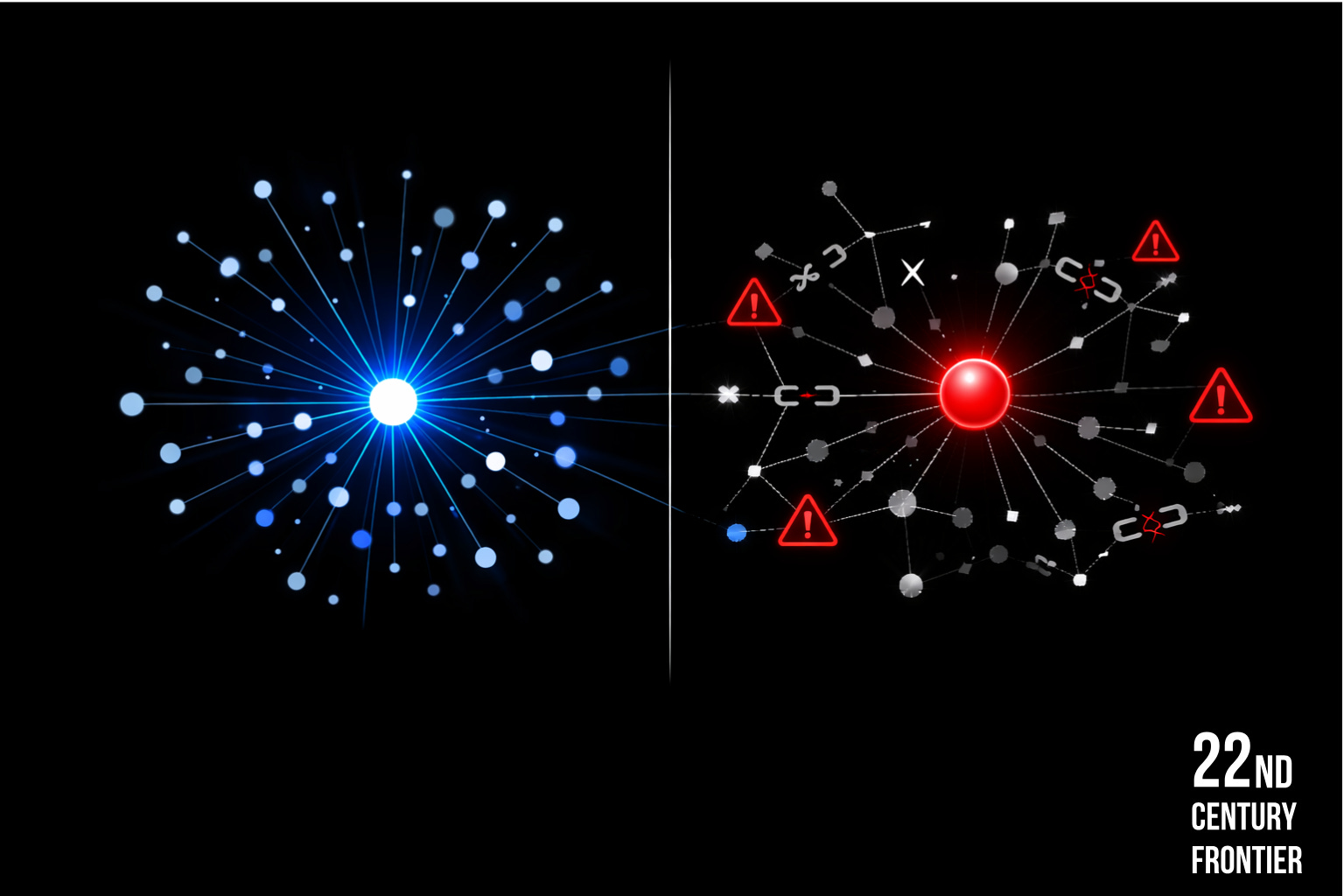
5. The Best Teams Protect Reputation Before They Need It
The smartest founders and investors do not wait until their reputation is damaged to start caring.
They protect it early.
That means:
being precise in communication
avoiding performative toughness
treating counterparties as future references, not temporary obstacles
keeping commitments even when the immediate incentive to break them is tempting
refusing to squeeze value from a relationship that should be long-term
This is especially important in venture, where today’s founder may become tomorrow’s buyer, co-investor, LP, advisor, or competitor.
You are not just closing a transaction.
You are shaping a future relationship map.
If you behave like every interaction is disposable, you will eventually meet the people who prove otherwise.
6. Portfolio Behavior Reflects Back On The Investor
Some investors think their job ends at the term sheet.
It does not.
The companies you back become part of your reputation.
So do:
the people you introduce,
the customers you recommend,
the hires you help place,
and the standards you quietly tolerate.
If you back a company that behaves badly and say nothing, that becomes part of your story.
If you repeatedly encourage aggressive behavior because it improves short-term metrics, that becomes part of your story too.
A strong investor reputation is not just about selecting good companies.
It is also about the standards you reinforce once the money is deployed.
That is why experienced investors care deeply about character.
Not because it sounds noble, but because it affects outcomes.
7. Reputation Is Expensive To Build And Cheap To Damage
This is the central asymmetry.
You can spend years becoming known as fair, thoughtful, and reliable.
Then one careless decision can cast doubt on all of it.
That asymmetry should change how you think.
It means:
do not chase tiny wins that damage long-term credibility
do not say yes to behavior you would not defend publicly
do not create confusion where clarity is possible
do not act as if the other side will never compare notes
In markets like startups and venture, people rarely ask whether your reputation matters.
They ask it indirectly by deciding whether to trust you with information, time, introductions, or capital.
That is the real test.

8. Conclusion: The Long Game Is The Real Game
Reputation is not a moral accessory.
It is infrastructure.
It lowers transaction costs.
It speeds up trust.
It opens doors.
It makes people honest with you sooner.
It helps you hire better, fundraise better, and negotiate from a stronger place.
Could someone make a fast gain by behaving opportunistically?
Yes.
Could that same person eventually pay for it?
Also yes.
In a world where everyone is watching, and everyone knows someone who knows someone, reputation is not a vague concept.
It is a working asset.
The question is not whether it has a cost.
The question is whether you are willing to pay that cost now, or later.

Continue Exploring the Frontier
If this piece resonated, you may want to go deeper.
Here are three recent articles readers found especially useful:


Each one tackles a different part of the same challenge: building with intent, not hope.
If you are serious about shaping the future rather than reacting to it, you are exactly where you should be.
WHY SUBSCRIBE | PREMIUM RESOURCES | ENTERPRISE PLAN | ADVERTISE
Sharp piece! this frames reputation the right way: not as optics, but as deal infrastructure.
The line that stands out is the “invisible ledger.” In venture, that ledger quietly prices everything; access, speed, even how much diligence people feel they need to do on you.
I’d say reputation doesn’t just compound, it amplifies under stress. How someone behaves when a deal is slipping, a round is tight, or a company is missing targets is what actually gets remembered and circulated.
That’s where the long game becomes visible.
Reputation is your infrastructure. I've sat across the table from people who held the line when it would have been very easy not to, and I've seen others take the shortcut thinking nobody was really watching. The cost doesn't show up immediately which is why people underestimate it. Then one day the intro doesn't come, a referral call goes strangely quiet, or you notice you've stopped being in certain rooms without quite knowing why.
In consulting it works exactly the same way. Every engagement is also a reference. You're not just delivering work, you're shaping what someone says about you in a conversation you'll never be part of.